Bethany Wiggin
Environmental and Public Humanist, Germanist and Comparative Literature Scholar
-
Transforming Climate Education (Part 1): Campus Climate Correspondents and Writing Sprints
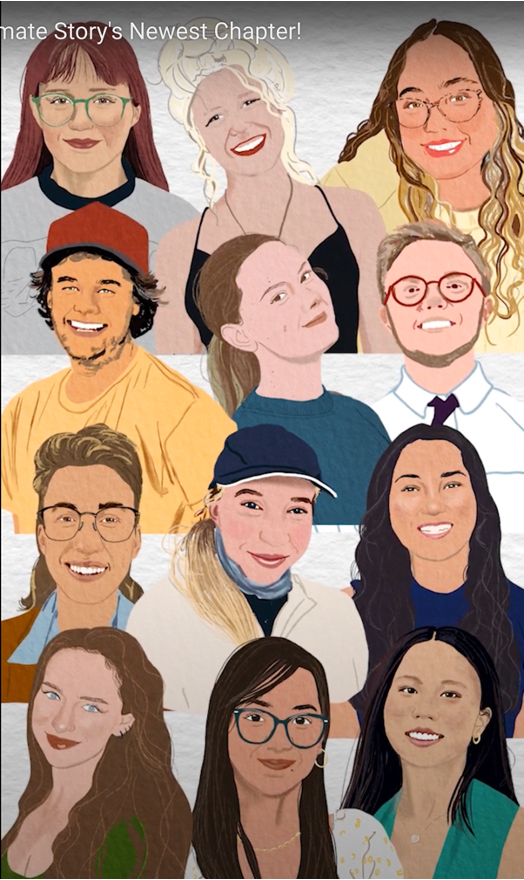
My Climate Story aims to transform climate education. This first of two posts about transformational climate education introduces the project’s Campus Correspondents pilot program which trained undergraduate student reporters across 12 North American campuses to listen for and share their communities’ stories. Student leaders, Maria and Faith, reflect on their vision for this collaborative work and talk about what’s next. Check out their video that captures all our work, “by the numbers.” You can also click through to access the materials used for the climate story op-ed “sprint” we offered, after which CCs successfully…
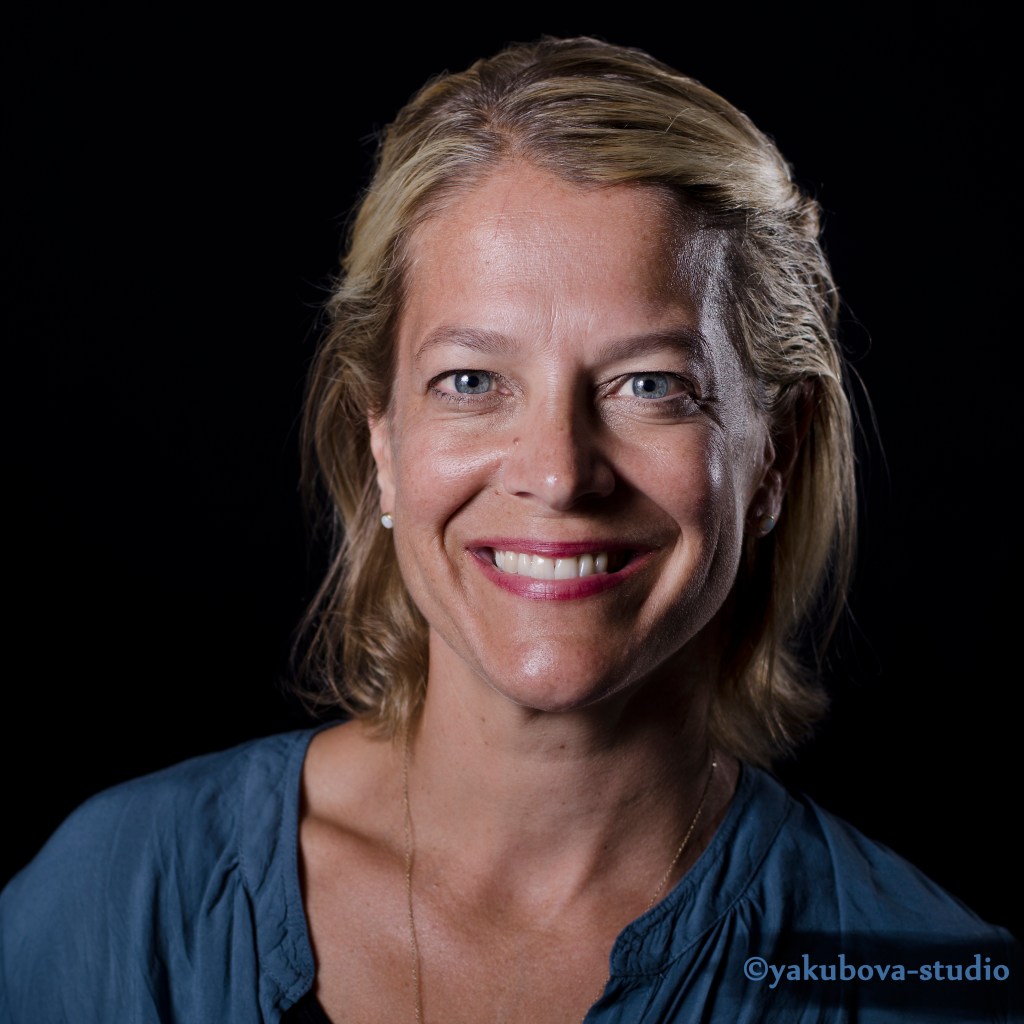
I am a cultural and environmental historian of the Atlantic world and a public environmental humanist. I am a Professor at the University of Pennsylvania and direct the Program in Environmental Humanities.
-
Transforming Climate Education (Part 1): Campus Climate Correspondents and Writing Sprints
My Climate Story aims to transform climate education. This first of two posts about transformational climate education introduces the project’s Campus Correspondents pilot program which trained undergraduate student reporters across 12 North American campuses to listen for and share their communities’ stories. Student leaders, Maria and Faith, reflect on their vision for this collaborative work and talk about what’s next. Check out their video that captures all our work, “by the numbers.” You can also click through to access the materials used for the climate story op-ed “sprint” we offered, after which CCs successfully…
-
Greta Got It Half Right: Listen (Also!) to the Humanists — Transformational Environmental Research and Teaching
This essay is a lightly edited version of the Bromery Seminar I gave at the Department of Earth & Planetary Sciences at Johns Hopkins University on April 18th, 2024. Its second part, on place-based environmental humanities work in Philadelphia, has been cut from this essay. It drew on a longer essay on that topic that is available on this blog, “Archive, River, Museum, Street.”
-
Archive, River, Museum, Street: Making Spaces for Transdisciplinary Environmental Research and Environmental Justice
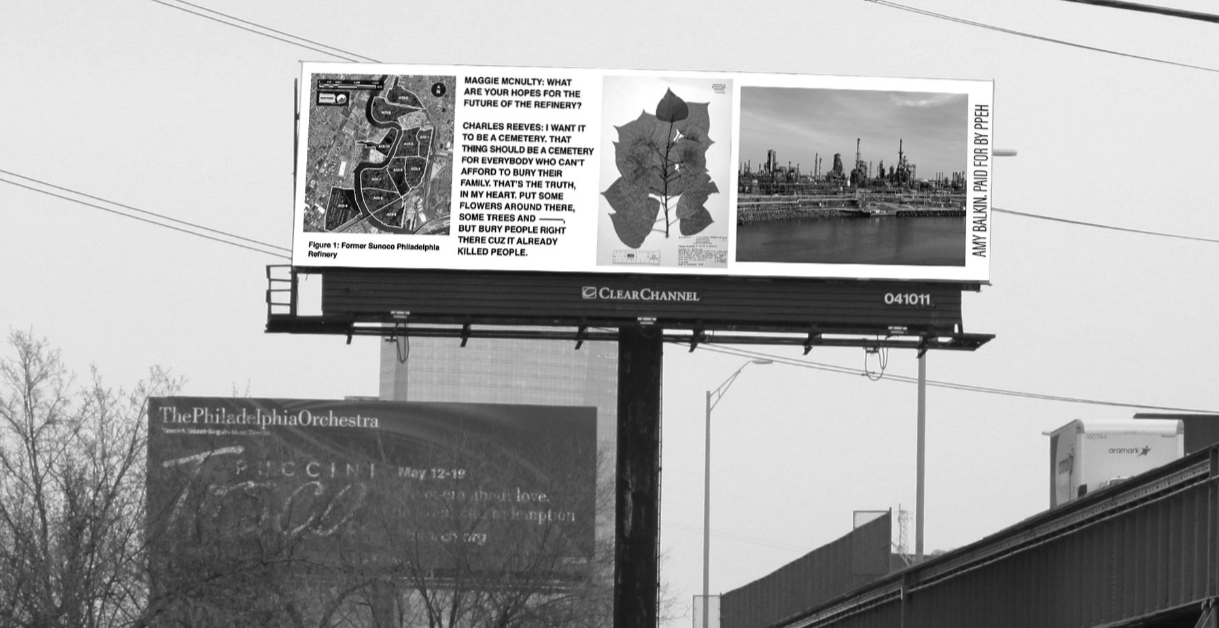
This essay has been lightly adapted from a presentation at the Iowa City Public Library, invited by the Obermann Center for Advanced Studies at the University of Iowa on April 5th as part of a two-day seminar on “Campus and Local Community as a Collaborative Lab for Environmental Research,” parts of which were recorded and are available for viewing.
-
Humanists at Work in the World: Campus Community Partnerships for Environmental Justice
This talk explores several multi-year campus-community projects to explore how environmental humanists can and perhaps should work in worlds beyond the classroom, conference, journal, and monograph. The talk opens a number of thorny questions: what skills, beyond critical skills, does it demand? What is the temporality of such work in the world? How can it coincide with the rhythms of the academic year? What does it mean for peripatetic humanists to commit to care for communities on and around their college campuses? What are the ethics of such collaborations? Do they ensure mutual benefit?