I believe the right to research is a human right and I am committed to making work with and for people beyond the university.
The Intersecting Energy Cultures Working Group aims to bring together researchers working directly with community-based partners to develop a picture of the varied and uneven impacts that stem from the international workings of energy industries.

My Climate Story* is a campaign to grow a curriculum to promote climate literacy through the power of personal stories. Developed in online workshops and Philadelphia high school “climate classrooms,” these stories feed a growing public “story bank,” searchable by location, climate impact, and species. The project’s curriculum is already being used by the Pennsylvania Environmental Council in watersheds across the state and has been presented to BRIDGES: A UNESCO Sustainability Science coalition. Its storytelling prompts are now translated and available in fifteen languages.

The ongoing Ecotopian Toolkit initiative is a collaborative effort between creators, artists, academics, and the general public to develop and provide access to shared sustainable tools and knowledge to endure current and future ecological challenges. This living archive collects those tools, inviting you to adopt and adapt them for our climate-changing world.
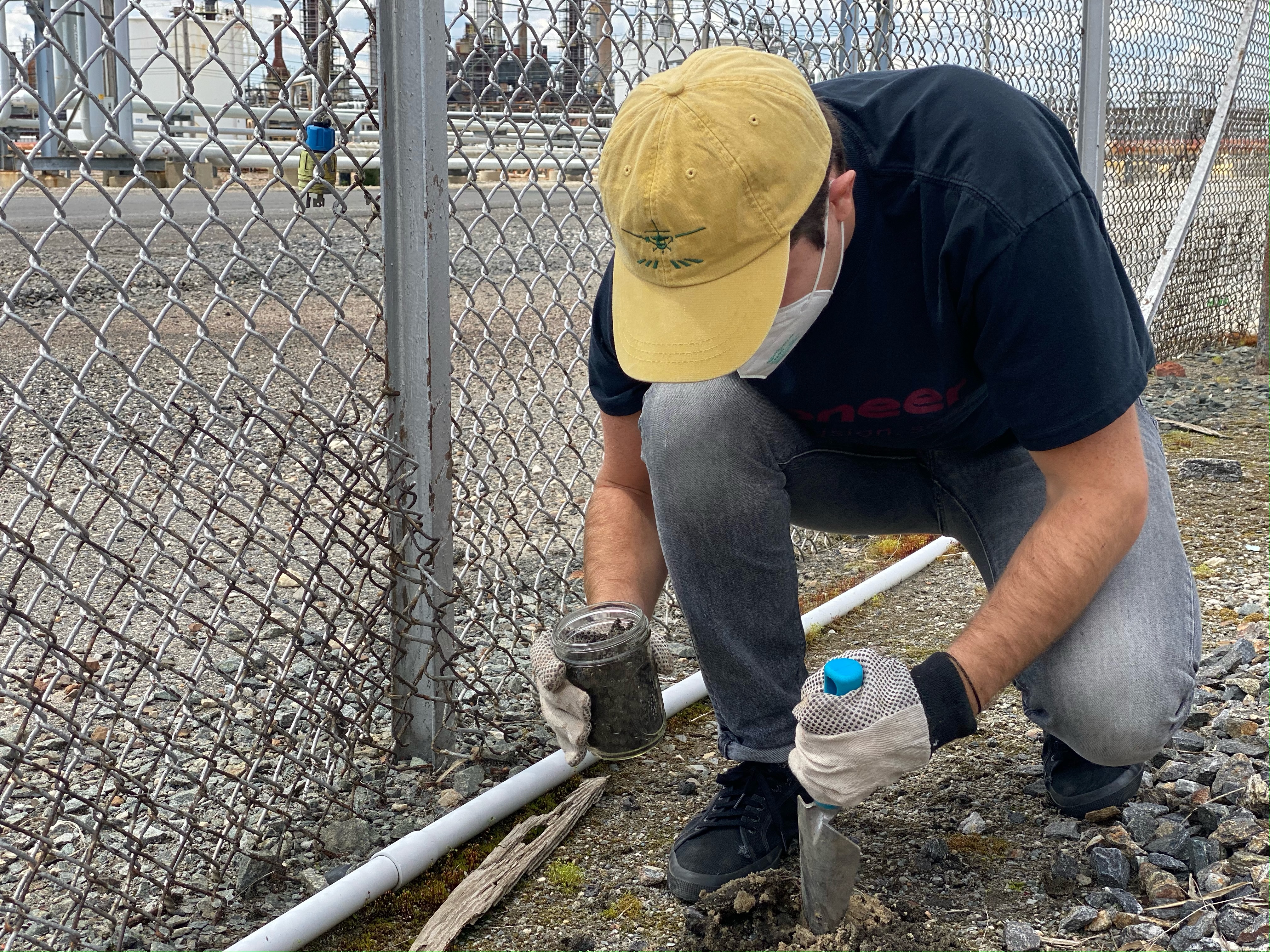
Making Sense is an art exhibition supplementing and illuminating the scholarly talks included in the Climate Sensing and Data Storytelling program: a suite of public research invitations and projects that explore how climate and environmental data live in the world–how data are made, preserved, and used; how data connect people, places, and non-humans; and how data, paired with story, can spur action on climate. The digital objects contributed by participating artists and scholars provide imaginative prompts to conceptualizing environmental challenges that often elude representation.
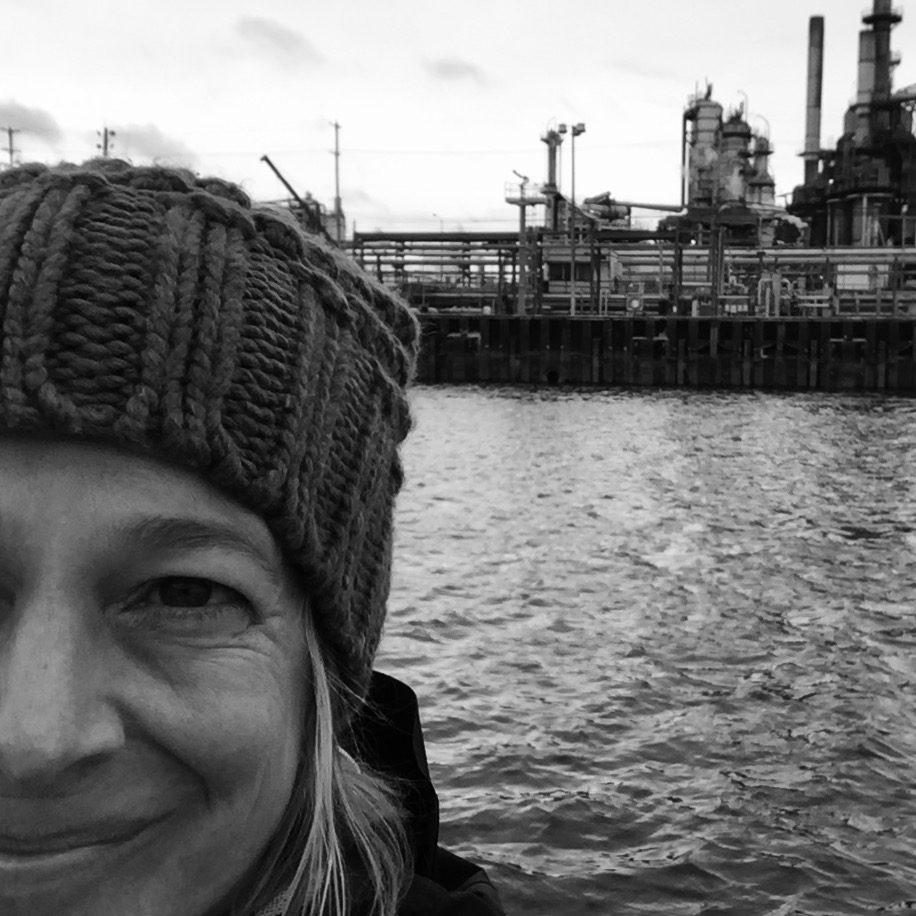
Futures Beyond Refining began as an oral history project to develop community-led tours of Gray’s Ferry, next door to the defunct Philadelphia refinery. Featured in two episodes of the podcast (Data Remediations) that I co-created, Futures Beyond Refining has provided the basis for artist Amy Balkin’s Area of Interest, a series of temporary memorials for life lost to refining, including a billboard mounted along Interstate-76, next to the refinery, that showed a visual essay inviting consideration of how to memorialize this toxic history.

Concern about the vulnerability of existing environmental data spurred the co-creation of a crowd-sourced urgent archiving project, Data Refuge. It garnered major media attention that was in turn instrumental in encouraging an estimated five thousand volunteers to contribute their labor in over fifty “Data Rescue” events in North America and Europe and the creation of a data repository, the “data refuge;” a consortium of research libraries pledged to re-imagine the federal library depository system in our digital era; and bi-partisan federal legislation to insure the regular archiving of born-digital governmental publications.
This Schuylkill River & Urban Waters Research Corps Archive holds a public collection of research materials and engagement projects designed to document the past, explore the present, and envision the possible futures of Philadelphia’s urban waters. It is a collaborative initiative managed by PPEH with support from the Penn Libraries.

The WetLand Project is an art-installation of floating wetlands, gardens, and a laboratory space, as a collaboration between PPEH fellows and 2016 Artist-in-Residence Mary Mattingly.

In 2013 I helped develop “Equally Entitled to Freedom: Benezet Now; Benezet Then,” a Historic Germantown symposium that linked educational issues from colonial times to the present day through the works of polyglot and educator Anthony Benezet. Benezet was one of the first educators in America to offer classes to women and persons of color.