The WE in WEdnesday Partnerships Edition
Philadelphia is a big city. With more than 1.5 million people in the city limits (and 6.33 in the “metro area”), it’s the 6th largest in the U.S. But sometimes it can happen that you (or I) might be shivering at your kid’s fall baseball game on an early Saturday, writing work emails–only to have the person sitting next to you on the bleachers introduce herself and discover she is literally the person you are writing to. True story. Happened about a month ago.
As followers of this quixotic (chaotic!) fall essay series, “Putting the WE in WEdnesdays,” already know, I’ve been hustling this fall, rekindling old partnerships and seeding new ones for the My Climate Story project. This week new partnerships are falling into place and this week’s WEdnesday dispatch is devoted to new partners at Philadelphia Lankenau Environmental Science Magnet High School. Their motto? “Come Grow with Us.” I love it.
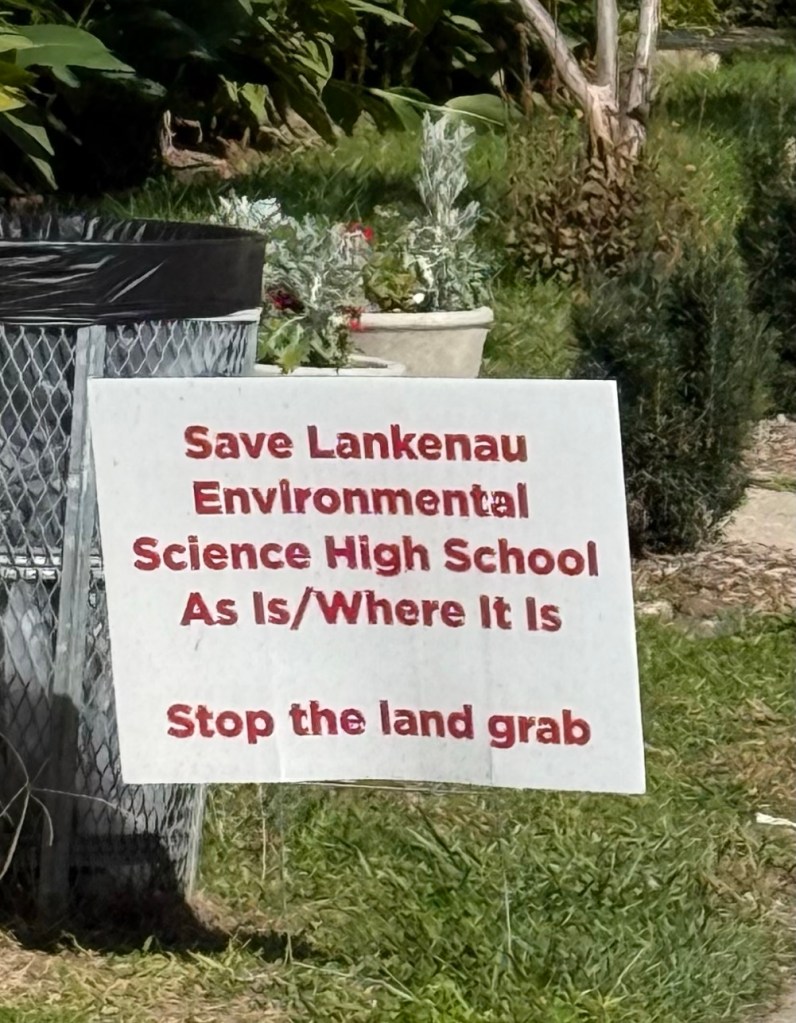
I got to visit this special high school this afternoon to lay the foundations for what I hope will be an enduring partnership. Why might it not endure? Well, for one, their award-winning school was targeted for closure by the Philadelphia School District in the spring of 2026, one of seventeen on the chopping block–but probably the only one with a 100% graduation rate. As summer has turned to fall, City Council remains against the move, as do neighbors. At worst, the move raises suspicions of a “land grab,” as many signs around town and at the school allege. Councilman Curtis Jones introduced restrictive a zoning measure last week, as the Philly Voice reported, hoping to keep developers’ hands off.
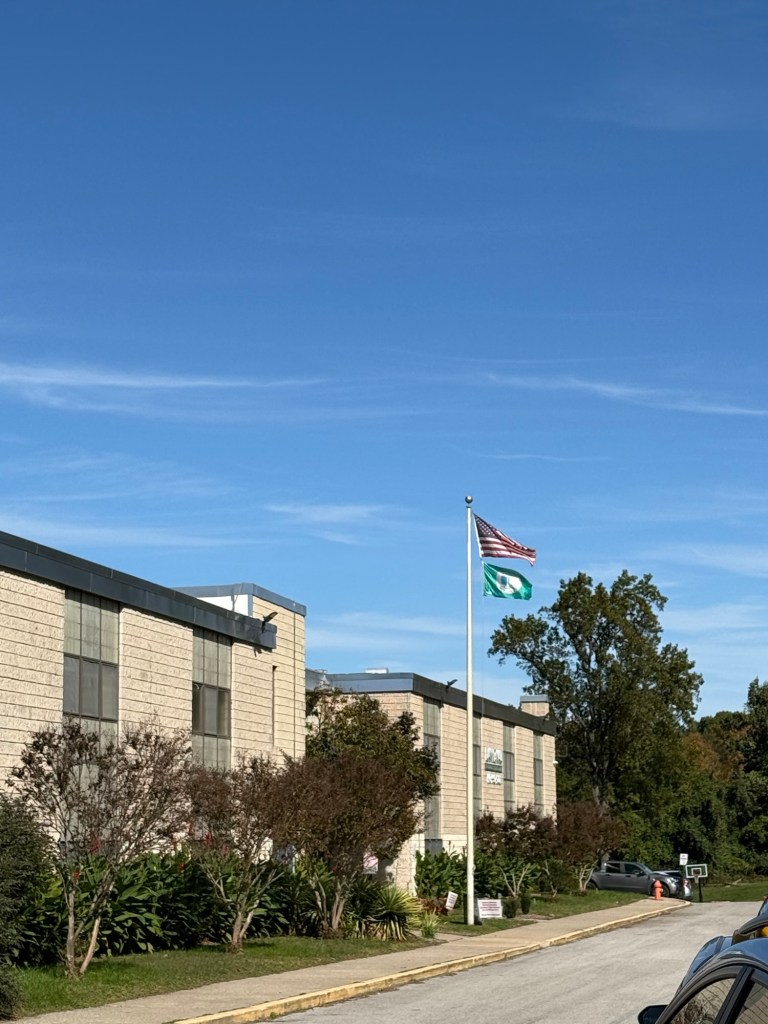
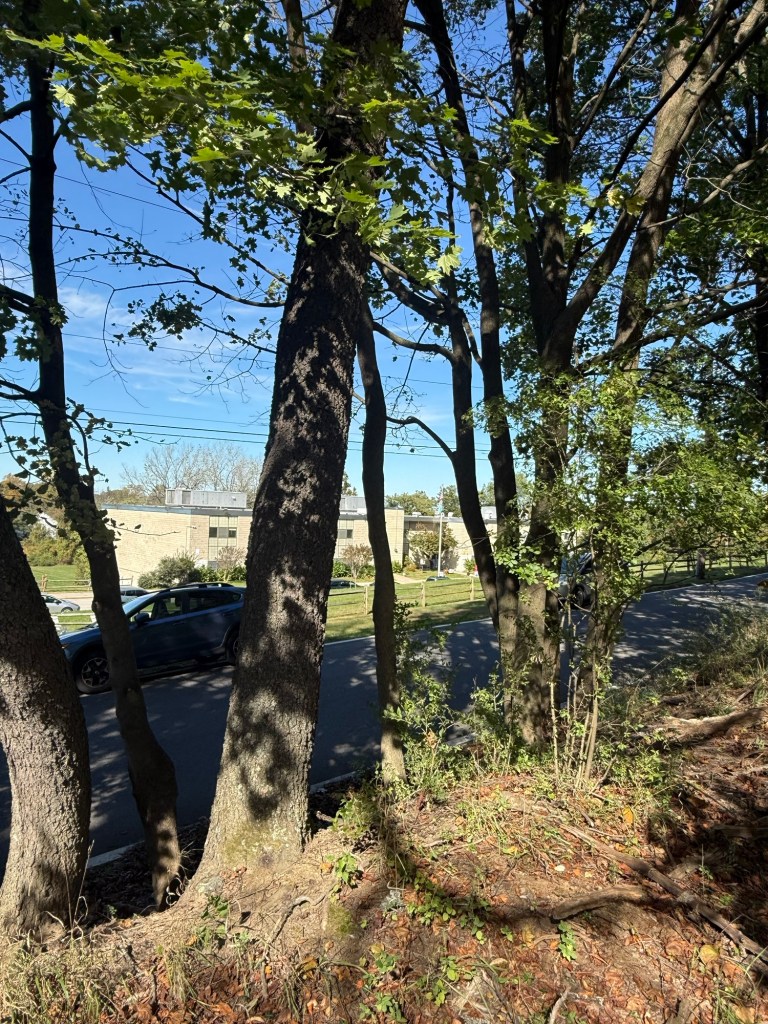
The school’s setting is idyllic, and only more so on a perfect fall day like this Wednesday. In the context of this season’s dirty dealings and closure of another storied environmental landmark, the Academy of Natural Sciences, it’s not hard to see why suspicions arise. (Unlike other museums on the Parkway’s museum mile, the ANS building is currently zoned for possible multi-family residential use and development, something a newly introduced bill by Councilman Jeffery Young seeks to end, as the Philadelphia Inquirrer reported on September 24th.) At best, the District’s plans for Lankenau seem ill-conceived. As nextdoor neighbor, Erin Mooney, Executive Director of the Schuylkill Environmental Education Center, told Council in May and reported by WHYY, “It’s like building a Sheetz next to a Wawa. It makes no sense.”
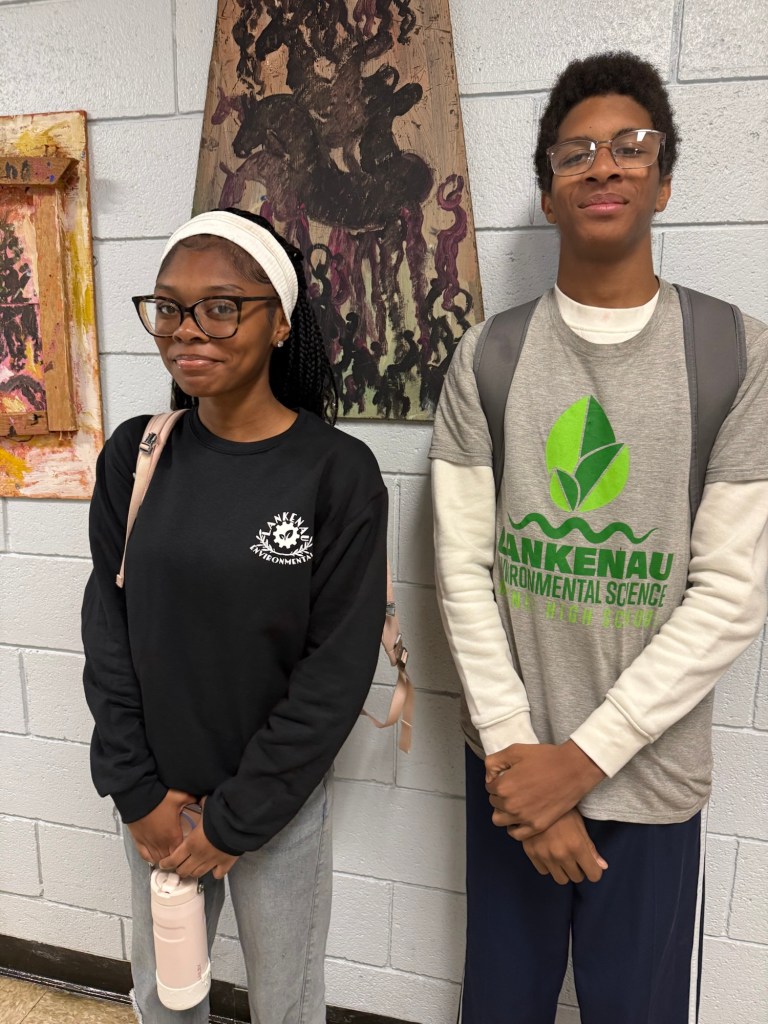


As I’ve been talking to educators around town for the last seven weeks about how we might collaborate on a campaign to bring (at least) 1000 climate stories to Harrisburg and ask legislators for better climate literacy for K-16 students across the Commonwealth, everyone’s told me to meet the team at Lankenau. Today’s meeting with principal Jessica Mctamney, confirmed that. Right out of the gate, she told me her students could deliver 500 stories by this spring. I believe her too, not least because of the talented team around her, including English teacher Meredith Koons Joseph, the one and same whose kiddo joined my kiddo’s baseball team. Now our classes will partner together, one of the pilot partnerships my UPenn students this term get to participate in as we share, swap, and collect diverse climate stories across this village, ahem city, and further afield too.
The Penn students and I are in overdrive right now–they’re conducting climate ethnographic interviews with people from their home towns–from San Luis Obispo to Jackson to Land-o-Lakes, Florida. They have to interview their own neighbors with the stipulation that they’re at least 30 years older. My Penn youngsters are also well into the work to develop their own climate memoirs, their personal accounts of how climate change is impacting their lives and future plans in the here and now; and they’re also getting ready to share and swap stories with our partners in Bristol (England), Cologne (Germany), and Gävle (Sweden). Student inrerns continue to edit gorgeous climate memoirs written by students who took my class last spring.
Ellen Hu’s story, set in Tampa, and edited by MCS research intern Nasira Seals, recounts a Saturday afternoon when Ellen was still in high school, grinding calculus problems. Then the AC cut out. At first, Ellen explains, “I didn’t think much of it; I had integrals waiting to be evaluated. But pretty soon, within 10 minutes, I couldn’t focus. Not on calculus, not on history, not on anything—heat had settled in my brain and refused to leave. Everything only went downhill from there.” Heat is no joke, and its effects remain wildly undercounted. AC itself is a vital cooling solution, but it is also comforting us to death, enabling our misapprehension of climate risks.
Climate literacy is where it’s at, and partnerships are the key. Penn Climate and PHENND have officially signed on to co-sponsor our first climate story partners’ planning meeting now officially scheduled for Wednesday (what other day could it be after all?), WEdnesday, November 18. Want an invite? LMK! Thanks for reading. Yours in partnership,
-bw.